


How Myopia Control Can Reduce Future Eye Health Risks
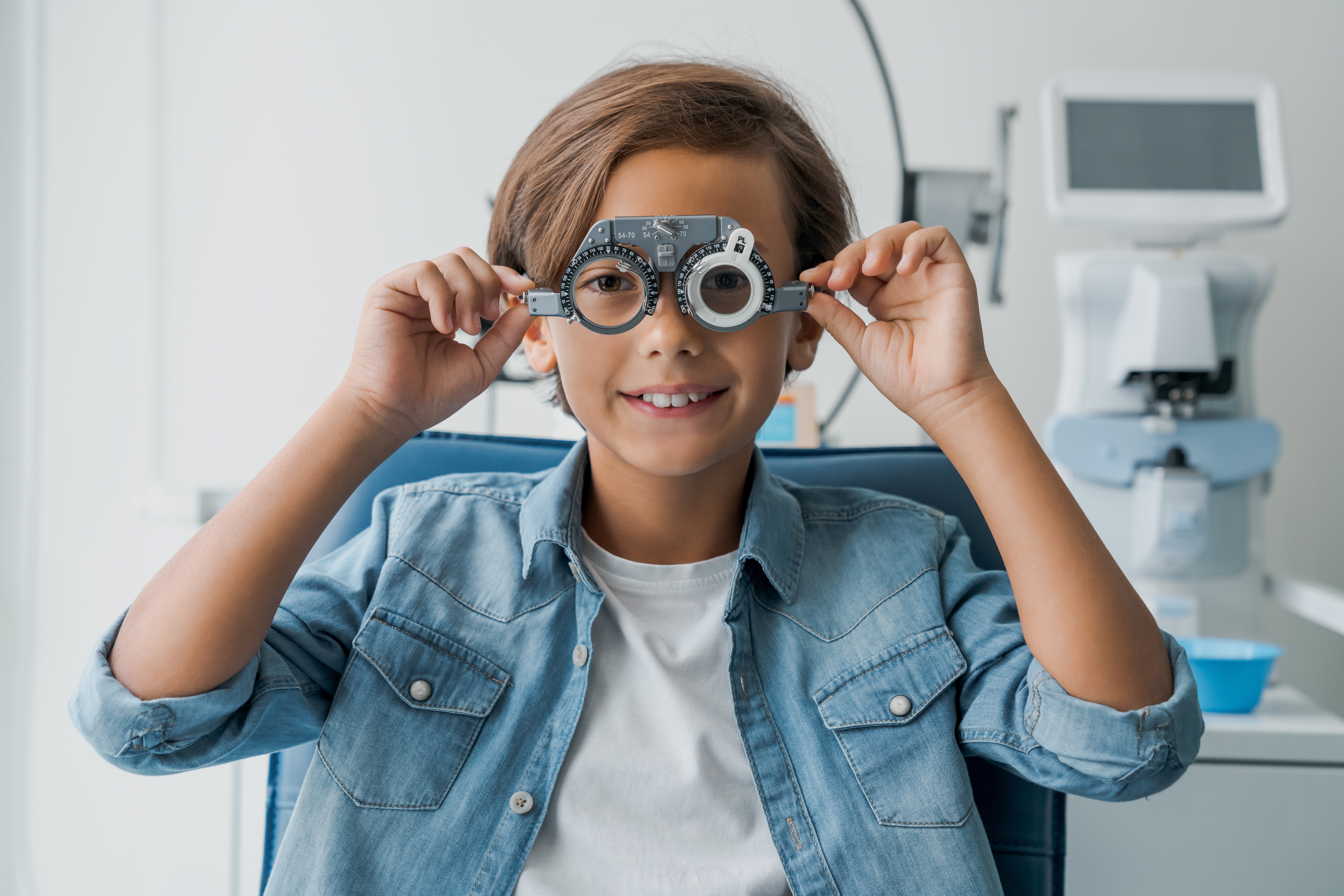
Myopia is more than just needing glasses to see clearly at a distance. As nearsightedness progresses, it can increase the risk of future eye health issues such as retinal problems, glaucoma, and myopic macular changes. That is why myopia control is an important part of protecting long-term vision, especially for children whose eyes are still developing. At Hunterdon Family Eye Care, we help families in Annandale, NJ take a proactive approach to managing myopia before it worsens.
Why Slowing Myopia Progression Matters
A stronger glasses prescription each year may seem like a routine part of growing up, but progressive myopia can have lasting effects on eye health. Higher levels of myopia are associated with greater stress on the eye as it elongates over time. The goal of myopia control is not just to improve day-to-day vision, but to slow that progression and reduce the likelihood of more serious problems later in life.
Signs It May Be Time to Start Myopia Control
Children with myopia may start squinting, sitting closer to screens, or struggling to see the board at school. In many cases, parents also notice prescriptions changing quickly from one exam to the next. Early intervention can make a meaningful difference, so regular pediatric eye exams are key.
Some signs we look for include:
- Frequent prescription changes
- Blurry distance vision
- Squinting to see clearly
- Holding books or devices very close
- Family history of myopia
- More time spent on near work or screens
Atropine Eye Drops
Atropine eye drops are one option for slowing myopia progression in children. These drops are typically used in low doses and are often applied before bedtime. They do not correct vision on their own, so children may still need glasses or contact lenses during the day, but they can be an effective part of a myopia management plan. For many families, atropine offers a simple treatment option that fits easily into a daily routine.
Soft Multifocal Contact Lenses
Soft multifocal contact lenses are designed to do more than correct blurry distance vision. They also help manage how light focuses in the eye, which may slow the progression of myopia. Many children adapt well to these lenses, and they can be a good choice for active kids who prefer not to wear glasses. We carefully evaluate fit, comfort, and lifestyle before recommending this option at our office.
Orthokeratology
Orthokeratology, also called ortho-k, uses specially designed contact lenses worn overnight to gently reshape the cornea. In the morning, the lenses are removed, allowing clear daytime vision without glasses or contacts. Orthokeratology can be a convenient myopia control option for children involved in sports or other activities. It also gives us another way to help slow prescription changes while supporting clearer vision throughout the day.
A Personalized Plan for Long-Term Eye Health
There is no one-size-fits-all answer for myopia control. The right treatment depends on your child’s age, prescription, eye health, and daily habits. At Hunterdon Family Eye Care, we create individualized myopia management plans for families so we can address vision needs now while helping protect eye health in the future.
Support clearer vision now and healthier eyes later and schedule a pediatric eye exam at Hunterdon Family Eye Care. Visit our office in Annandale, New Jersey, or call (908) 730-6774 to book an appointment today.

All Eye
Care Services

Keep
In Touch

Contact Info
Office Hours
- Monday 9:00am - 7:00pm
- Tuesday 9:00am - 5:00pm
- Wednesday 9:00am - 5:00pm
- Thursday 9:00am - 5:00pm
- Friday 9:00am - 5:00pm
- Saturday Closed
- Sunday Closed
© 2026 Hunterdon Family Eye Care. All rights Reserved. Accessibility Statement - Privacy Policy - Sitemap
Managed and Designed by
