



Is Ragweed Ruining Your Vision? Managing Fall Eye Allergies and Dry Eye
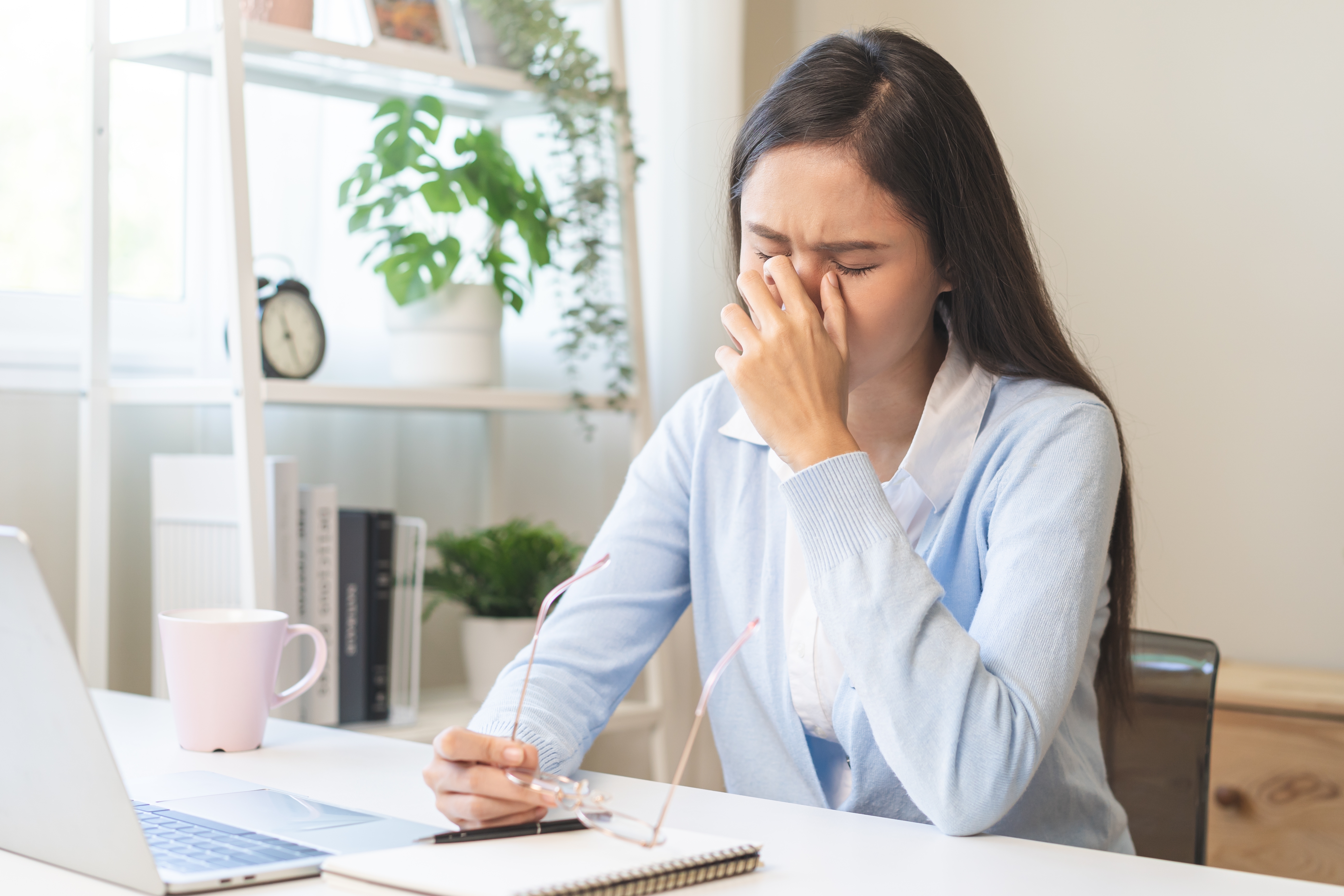
Fall in Annandale can bring cooler weather, changing leaves, and an unwelcome increase in seasonal eye irritation. Ragweed pollen is a common fall allergen, and for some patients, exposure can leave the eyes itchy, watery, red, and uncomfortable. If you already have dry eye, allergy season may make those symptoms even harder to manage.
At Hunterdon Family Eye Care, we help patients identify whether their discomfort is related to eye allergies, dry eye, or a combination of both so we can recommend care based on what is actually happening at the eye's surface.
How Ragweed Can Affect Your Eyes
When pollen comes into contact with the eyes, the immune system may respond by releasing histamine. This reaction can cause inflammation, itching, redness, and excessive watering. Although fall eye allergies do not typically damage vision, irritation and an unstable tear film may temporarily make your vision seem blurry or inconsistent.
Common signs of seasonal eye allergies include:
• Persistent itching
• Red or watery eyes
• Puffy or swollen eyelids
• Burning or irritation
• Symptoms that worsen after spending time outdoors
• Discomfort affecting both eyes
Itching is particularly associated with allergies, but symptoms can overlap with dry eye, making an eye examination helpful when irritation persists.
Why Dry Eye Can Feel Worse During Allergy Season
Dry eye occurs when the eyes do not produce enough quality tears or when tears evaporate too quickly. Inflammation and poor function of the meibomian glands in the eyelids can also contribute.
During fall in Annandale, pollen exposure, wind, indoor heating, screen time, and certain allergy medications may all contribute to dryness or irritation. Rubbing itchy eyes can further aggravate the delicate ocular surface.
Some patients experience both seasonal allergies and dry eye at the same time. In these situations, repeatedly using over-the-counter drops without understanding the underlying cause may not provide the relief you need.
Managing Fall Eye Allergies and Dry Eye
Reducing pollen exposure can help. Consider keeping windows closed during high-pollen periods, washing your hands and face after spending time outdoors, and avoiding rubbing your eyes. A cool compress may also help calm allergy-related itching.
If dry eye is contributing to your symptoms, treatment should be based on the cause. At our Annandale office, we evaluate the tear film, eyelids, ocular surface, and meibomian gland function to better understand what is driving your discomfort.
Our Dry Eye MedSpa provides personalized treatment options that may include eyelid treatments, heat therapy, low-level light therapy, and intense pulsed light therapy. The right approach depends on your specific dry eye findings and symptoms.
When It Is Time for an Eye Exam
If redness, burning, itching, watering, or fluctuating vision continues despite at-home care, schedule an eye exam. Eye pain, significant light sensitivity, discharge, or sudden changes in vision should also be evaluated promptly since these symptoms may point to something other than seasonal allergies.
Schedule an eye exam with Hunterdon Family Eye Care for personalized help managing fall eye allergies and dry eye. Contact our office in Annandale, NJ by calling (908) 730-6774 to book an appointment.

All Eye
Care Services

Keep
In Touch

Contact Info
Office Hours
- Monday 9:00am - 7:00pm
- Tuesday 9:00am - 5:00pm
- Wednesday 9:00am - 5:00pm
- Thursday 9:00am - 5:00pm
- Friday 9:00am - 5:00pm
- Saturday Closed
- Sunday Closed
© 2026 Hunterdon Family Eye Care. All rights Reserved. Accessibility Statement - Privacy Policy - Sitemap
Managed and Designed by
